

 Hungarian
 Roman

Bath Malnas
Orbai chair Bath Malnas Malnaş-Băi, Jud. Covasna
The town lies at an altitude of 556 meters on the right bank of the Olt. Of the 486 inhabitants of the spa, 221 are Catholic, 216 are Reformed, and the rest are of other religions.
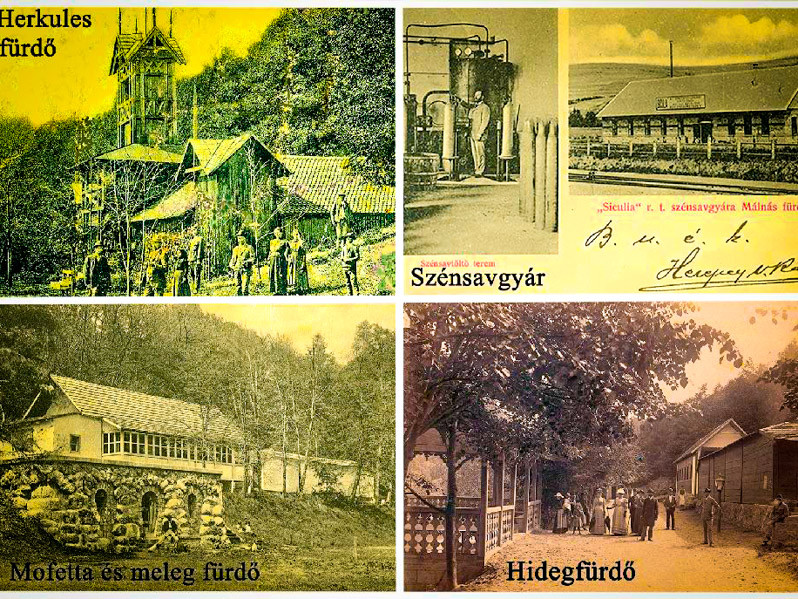
Its old name was Málnási-feredő, in the 19th century. In the middle of the 20th century the place belonged to the Imreh family of Raspberry. Its construction began with the Semsey family after its owner, Honoráta Imreh, married Tamás Semsey, artillery captain. Initially, there was only a log-lined swimming pool on the site, jokingly dubbed Semseyné's bubbly.
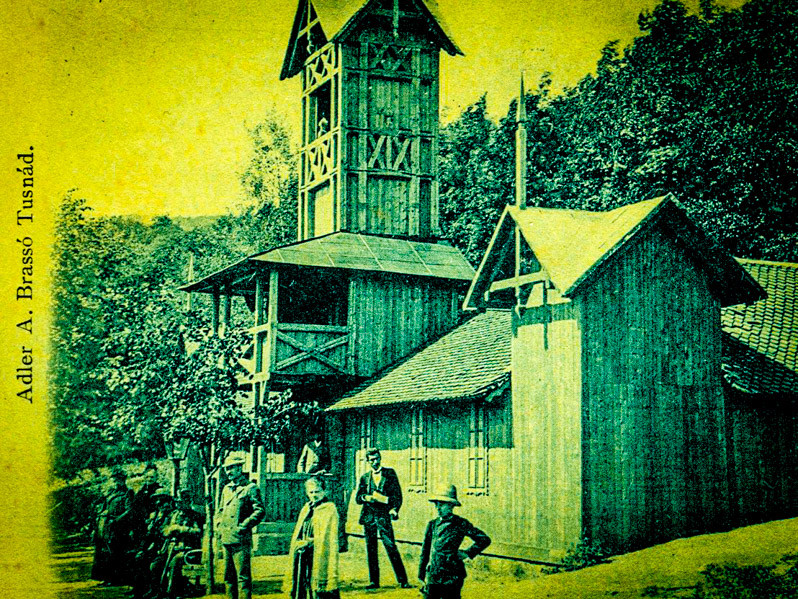
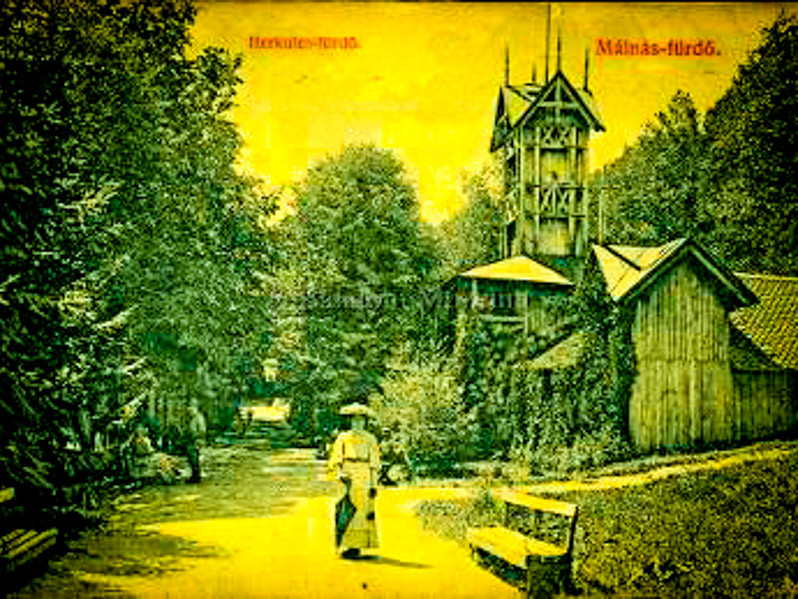
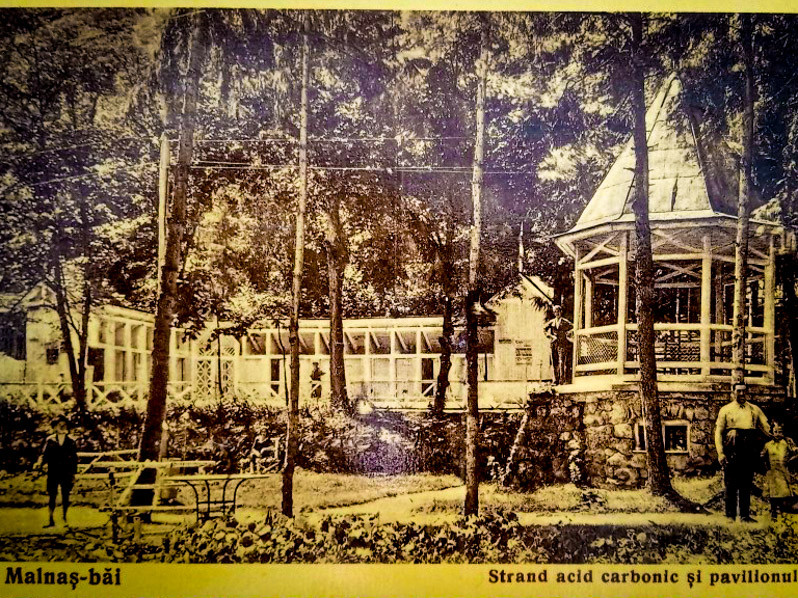
After the owner sold the property, a joint stock company was formed to exploit the spa. In 1891 they began to build a hot tub, modernize the pool, build a restaurant, and give the springs a pretty reservation.
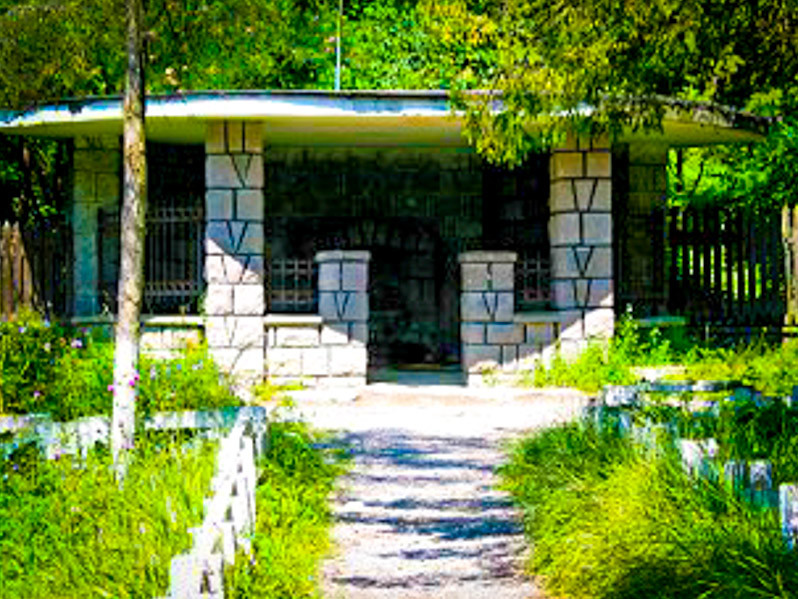
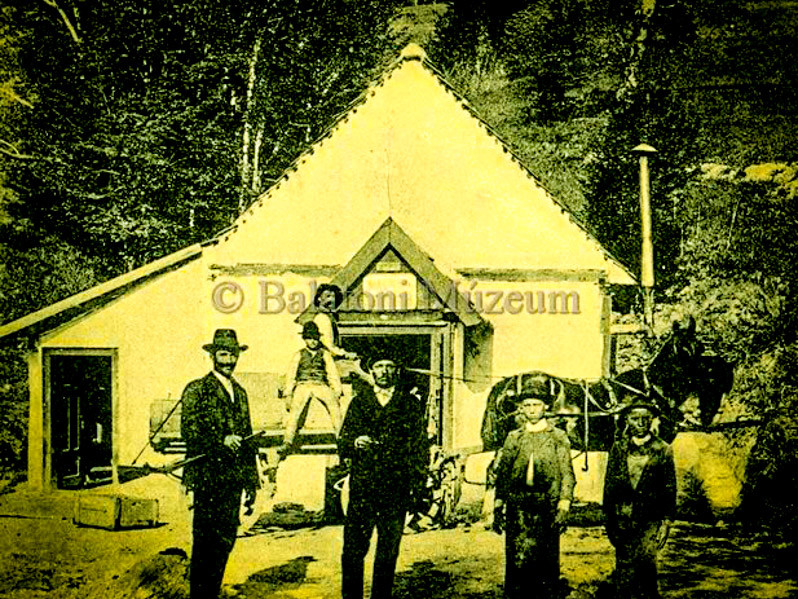
As dry carbon dioxide breaks were detected in the area, a carbonic acid plant was set up in 1899, and its successor is still operating today (an industrial history memorial).
From 1904 the bottling of the spring of the spring of Mary started, which until 1990 is now being filled only by order. Its name has also been changed to the name of Perla Covasnei, although it has nothing to do with Covasna.
Indications
The spring water of Mary is one of the best medicinal waters of bile and liver dysfunction patients.
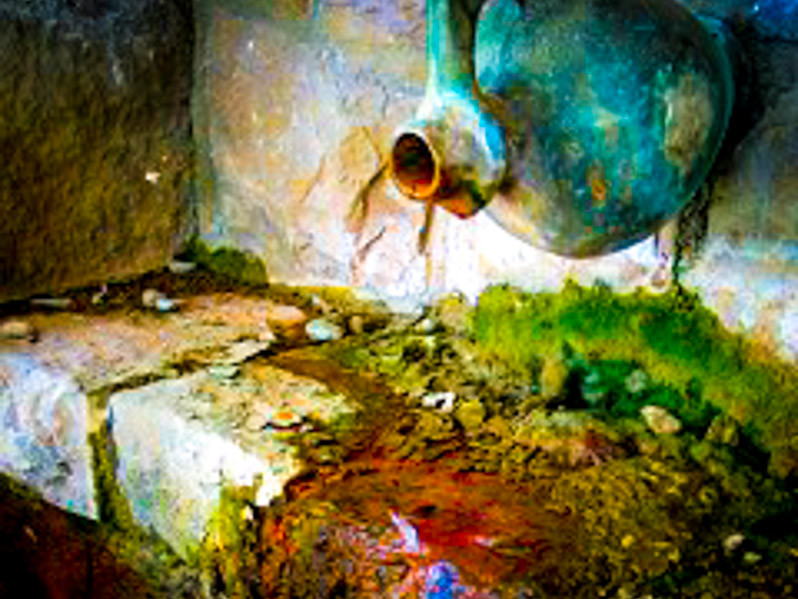
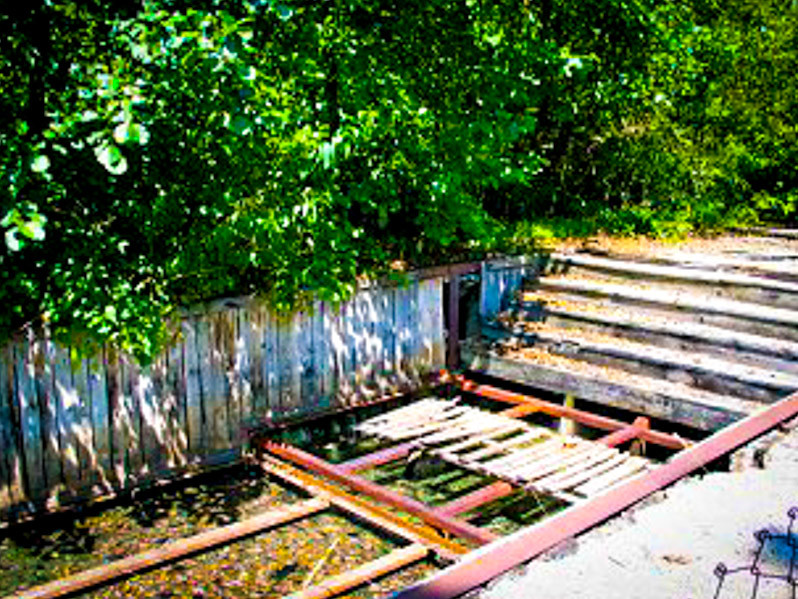
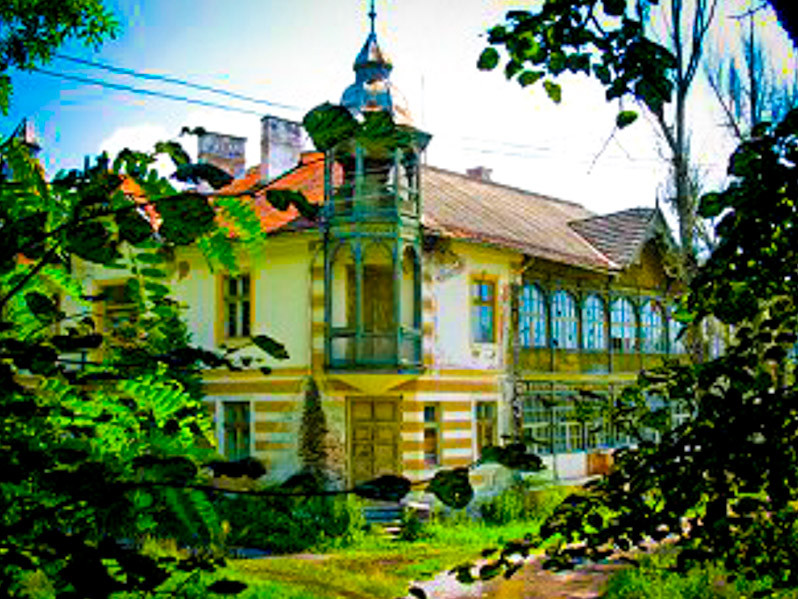
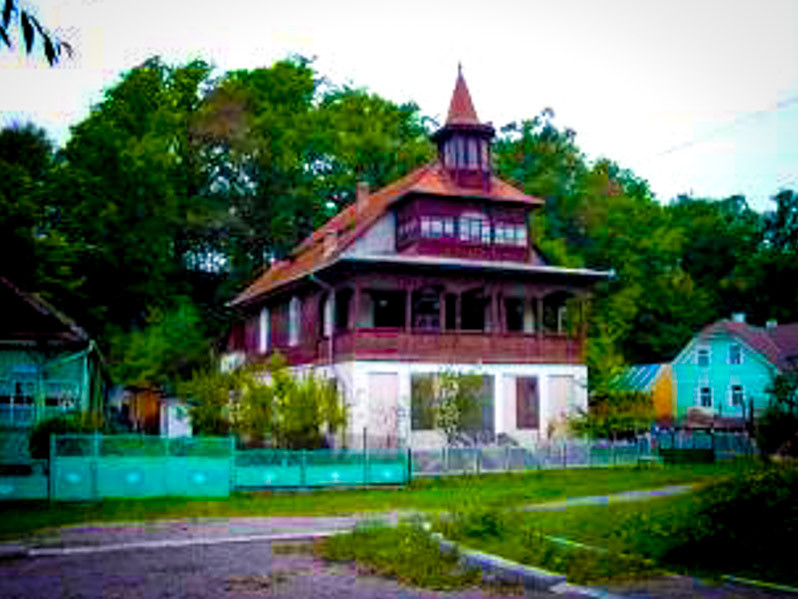
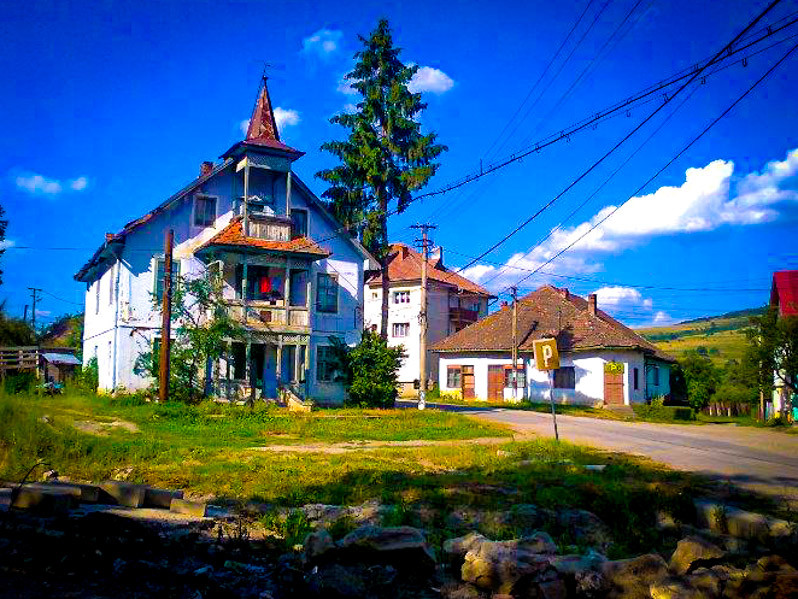
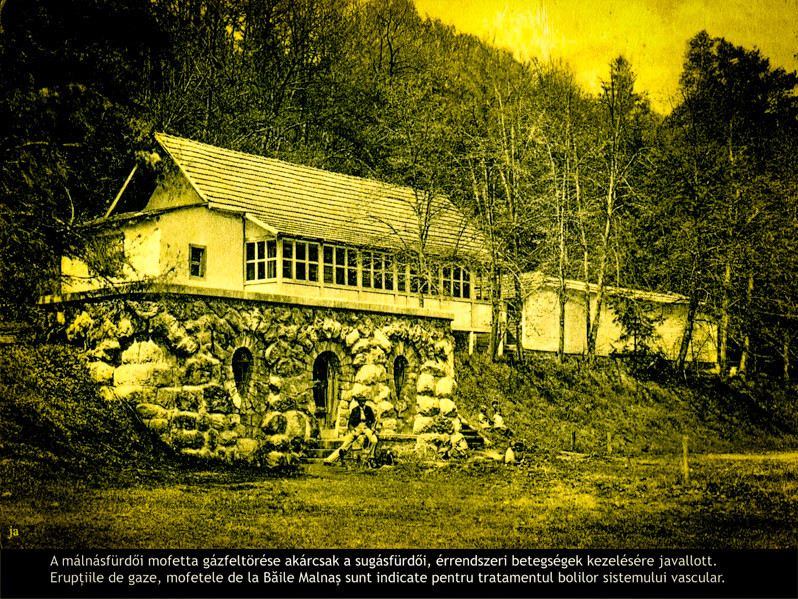
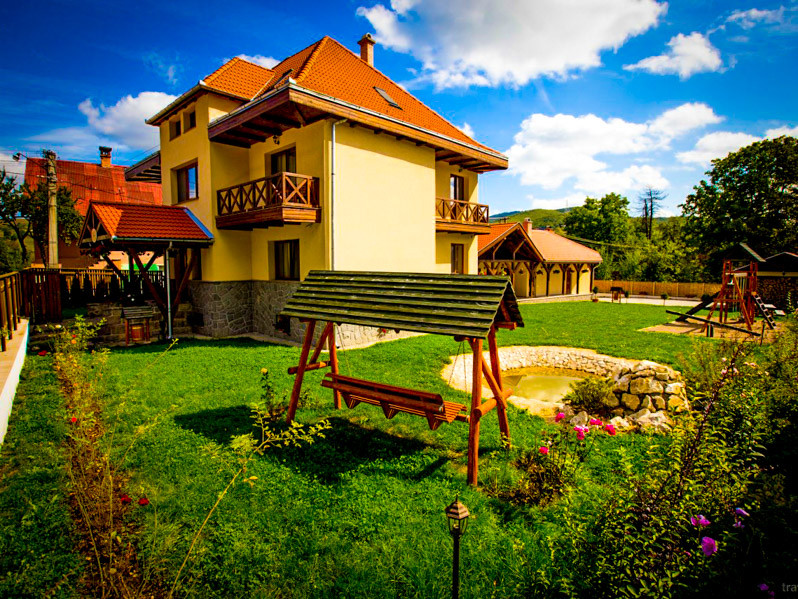
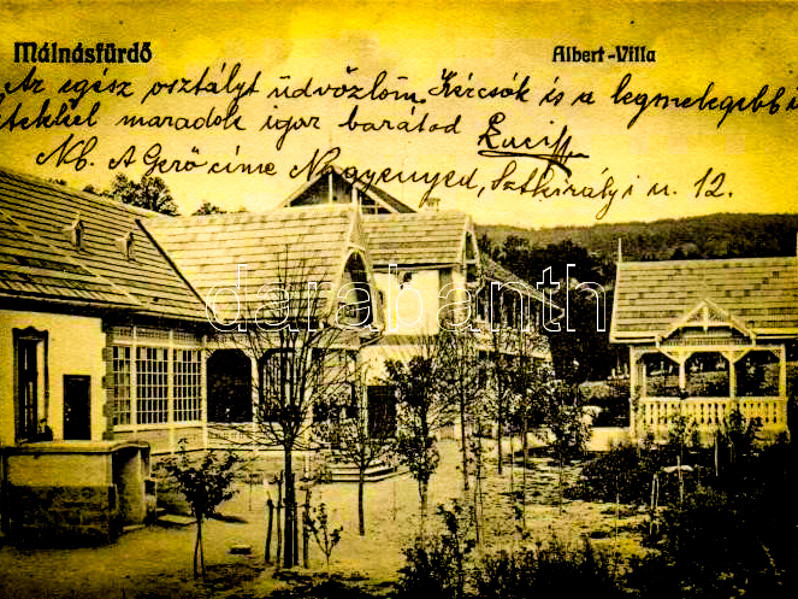
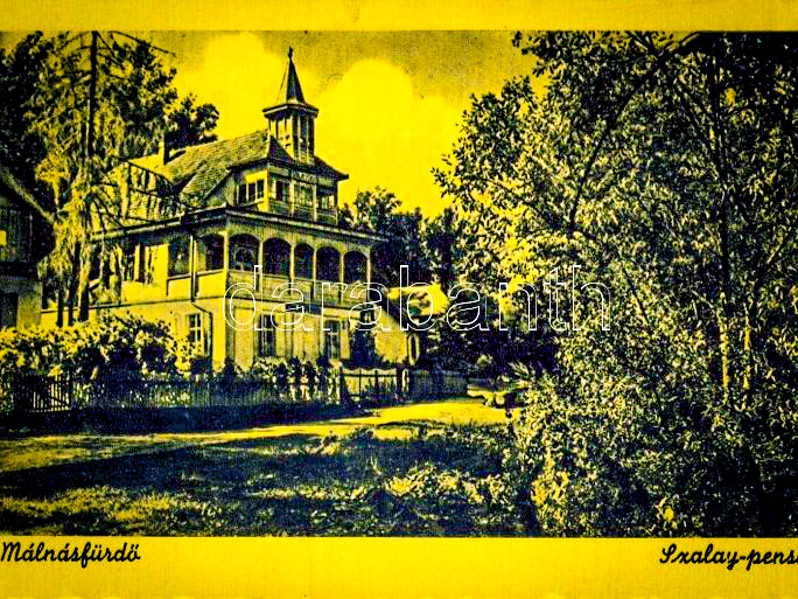
Nowadays, Raspberry Bath is no longer a shadow of its own: the hot tub doesn't work, the mofetta and the beach pool are in ruins, the Main Spring has collapsed. The Victoria spring has dried up, the Ilona and Mioara springs are barely treading. Former ornate villas have become the remnant of miserable hands.
In 1952 the Calvinist congregation of the settlement built a prayer house for itself. Mounted on its bell tower was the Hönnig bell, cast in 1857 by the deserted Marossolimist church. Its Roman Catholic chapel was built in 1969.
At the center of the spa is a monument to the Turm bird, made by the local DAHR to commemorate the 1100th anniversary of the Hungarian Conquest.