

 Hungarian
 Roman

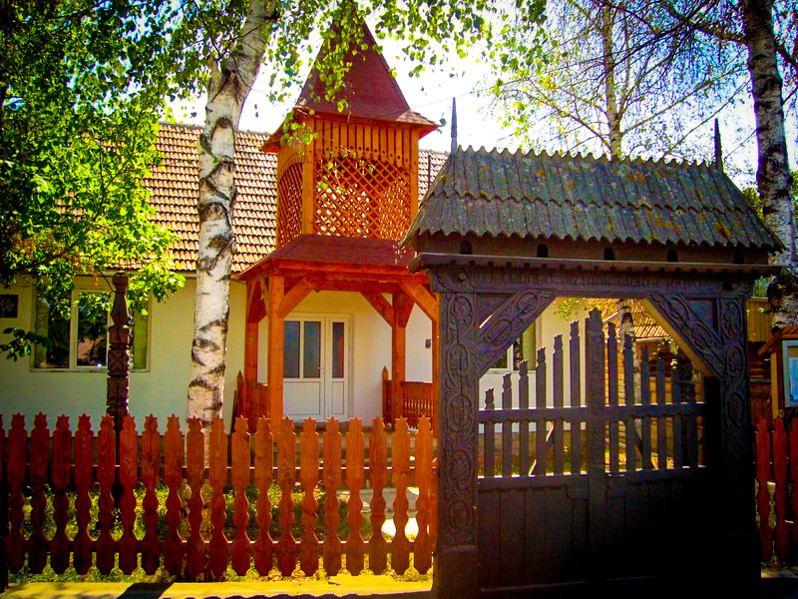
Ghelinta
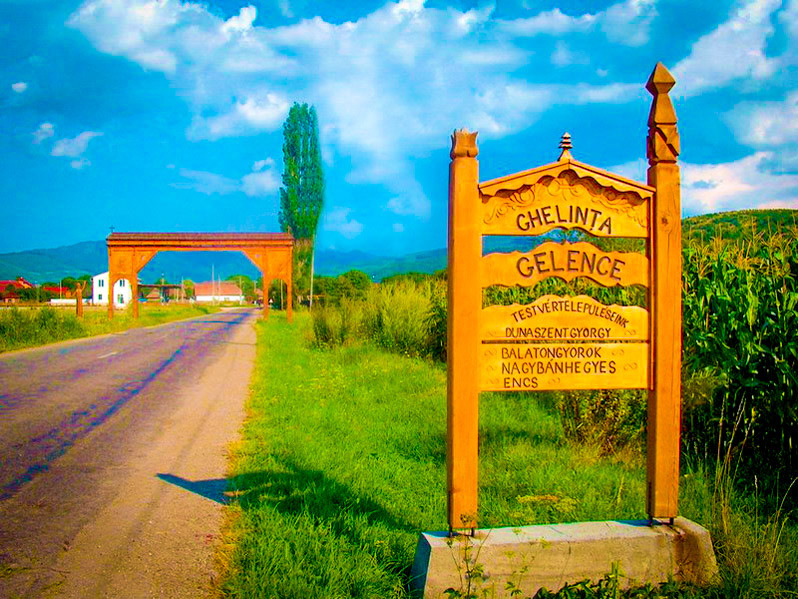
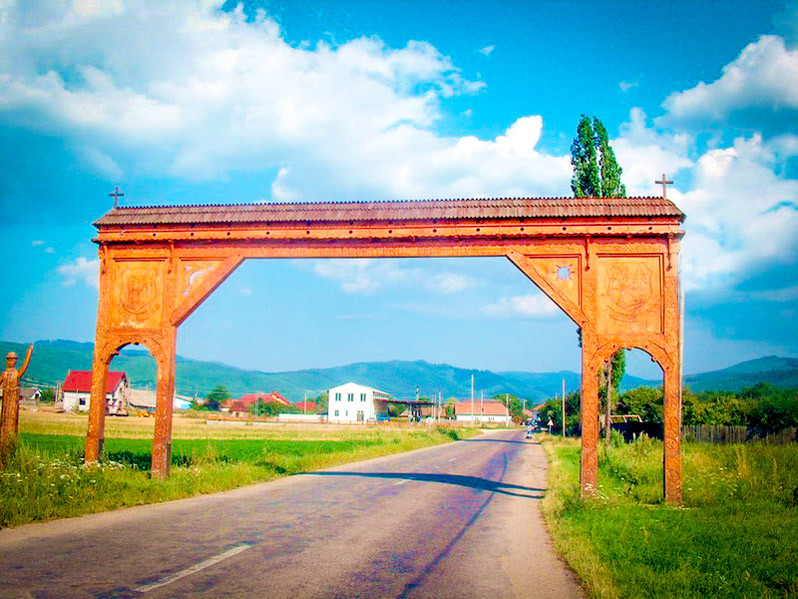
Orbai chair Ghelinta Ghelinţa, Jud. Covasna
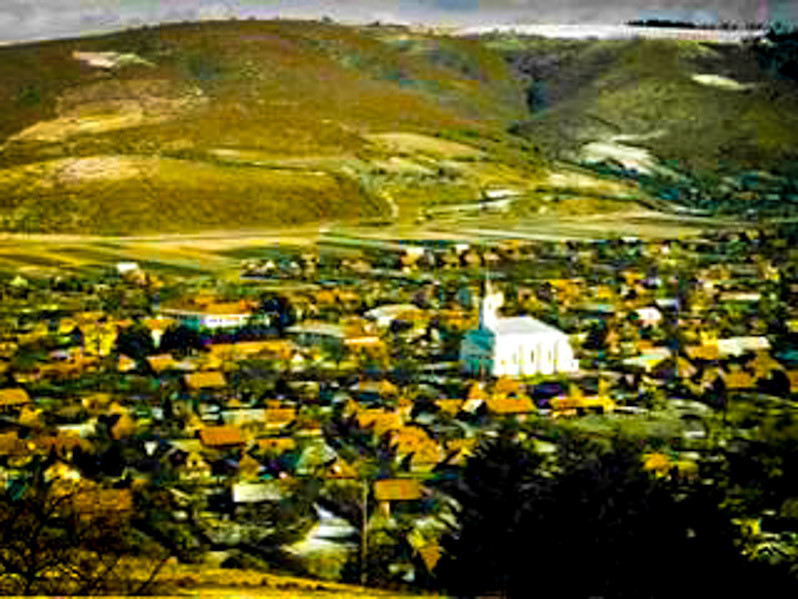
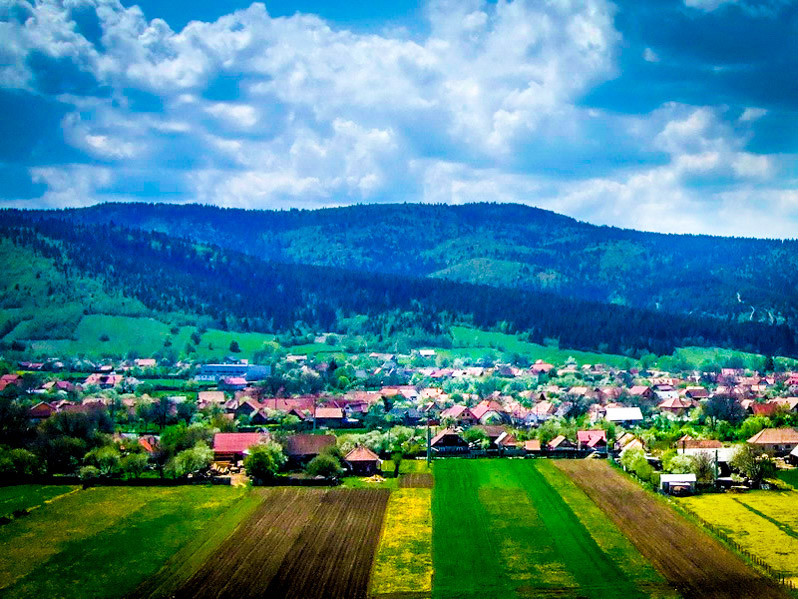
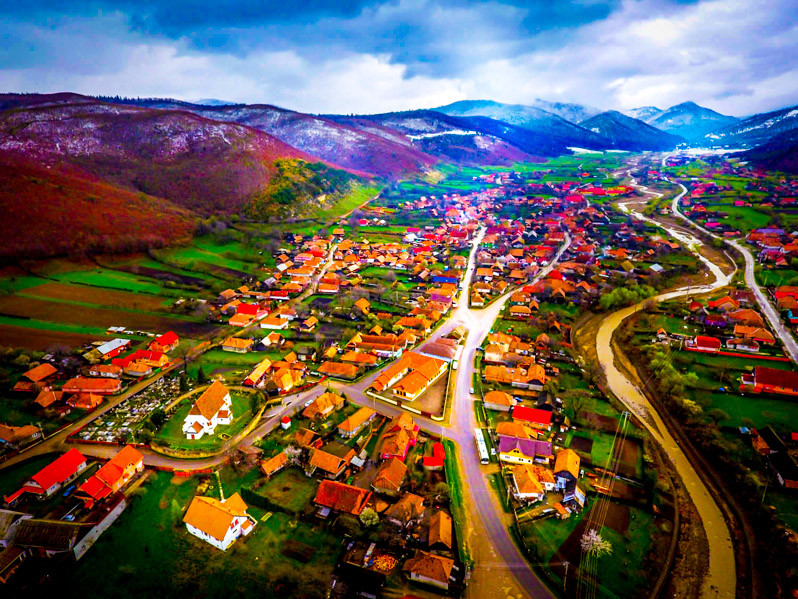
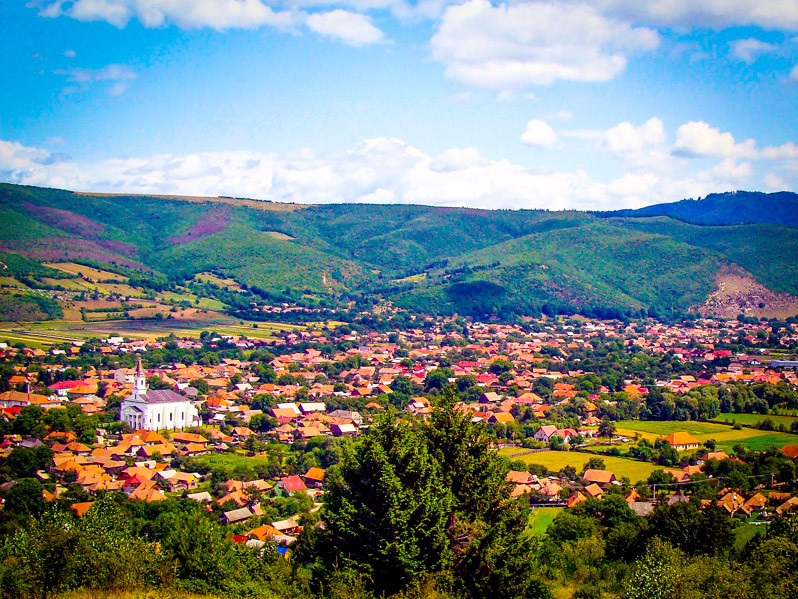
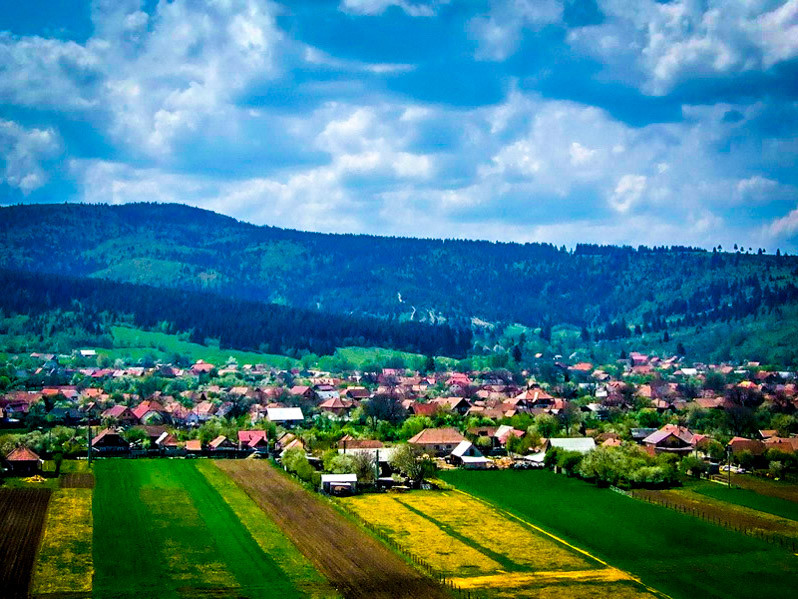
It is situated in a picturesque setting at the foot of the snow-capped Musa, Astag, Bonyó and Zernye mountains.
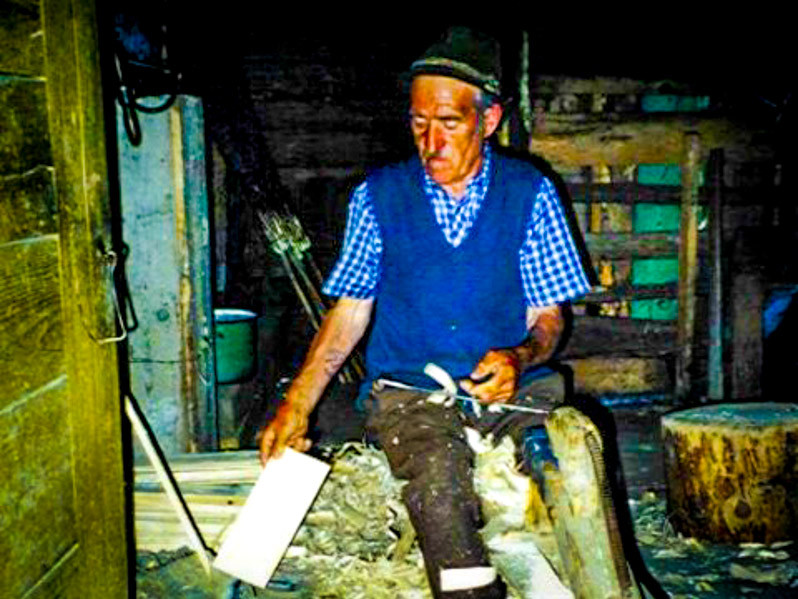
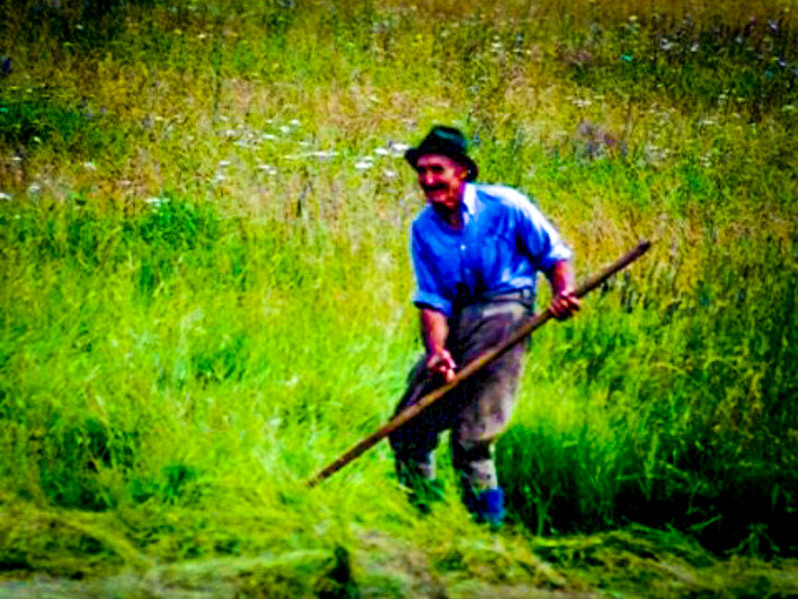
With a population of almost 4,400 people, the village continues the traditional craftsmanship of logging and woodworking, and many people still do shingle.
Prehistoric clay rings, ear-coffee bronze chisels and Greek coins from the area of the village were included in the collection of the Szekler National Museum. In the place called Eger, Kurucian money came to light.
In the middle of the village rises the Catholic big church, which was built between 1853-1899. Its pediment is decorated with a late classicist triangular tympanum. In the niche of the altar of St. Anthony the church is a 2x1.5 meter image of Saint Ilona, made by Baron Stephanie of St. Christopher, a well-known painter from the Upper Trinity.
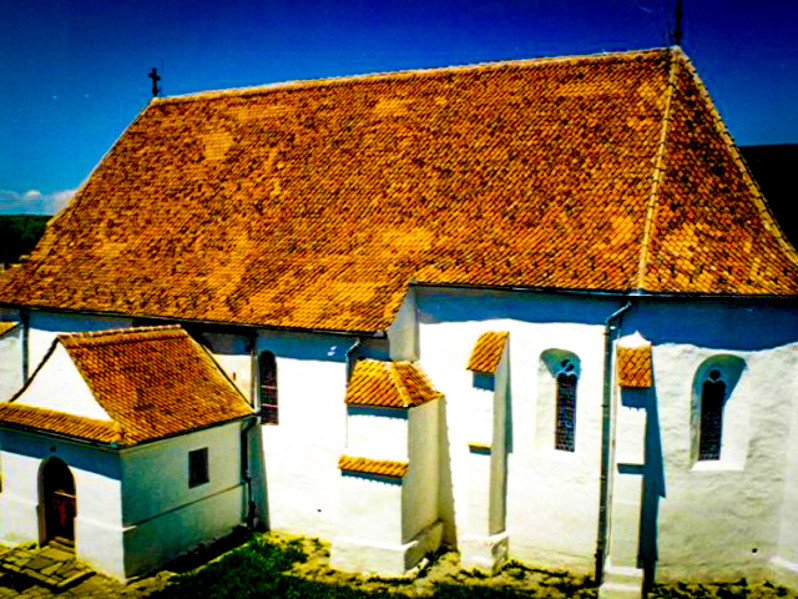
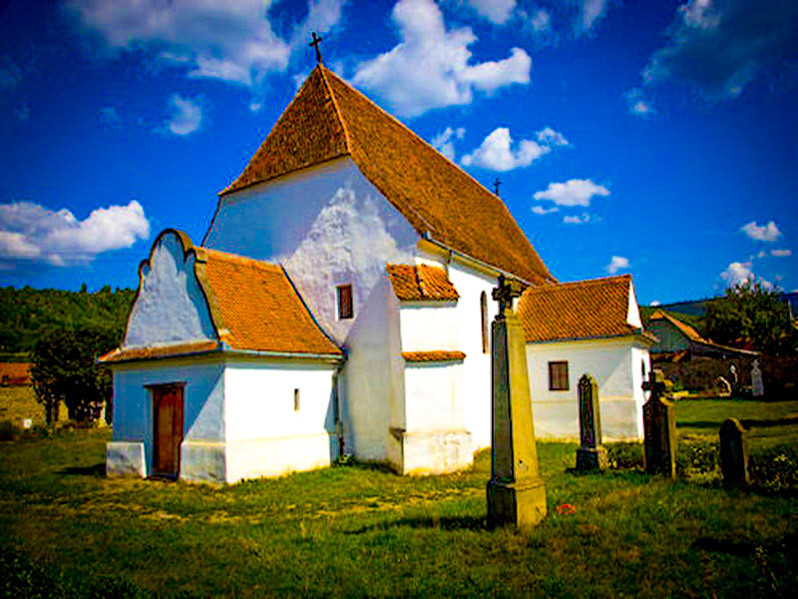
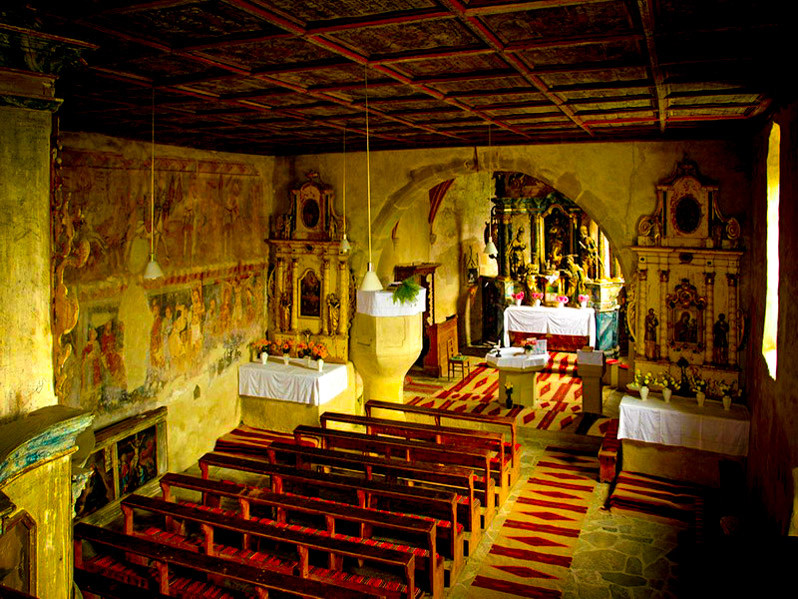
The tourist attraction of Gelence, which is of international interest, is the monument church in Feleg, which is also a UNESCO listed site.
Built in 1830 in honor of St. Nicholas, the former Greek Catholic Church today functions as a Greek-Eastern church.
In the village called Saladar, a ruin is called the house of Saladar. Legend has it: "One afternoon, the noise of a tree was lit up in the wilderness of Soksar. The Tatar came," the people shouted. when another Tatar troops arrived. Everything was lost. Aladar Salad - they shouted and the place has been called Saladar ever since. "
In the forest of Gelence there is a Great and a Small Castle. Although no excavation has taken place here, there are no traces of stone walls, but there are fortifications on the sharp ridge leading to the roof, which are believed to have been the hiding places of the villagers at the most difficult times.
In the valley below the Castle Roofs, a huge, flat rock is known as the Basa table.
Winter sports: Several hundred meters long ski slopes have been built in Gelenca in recent years.