

 Hungarian
 Roman


The Eszenyő Watermills
Gyergyo chair Remetea Remetea
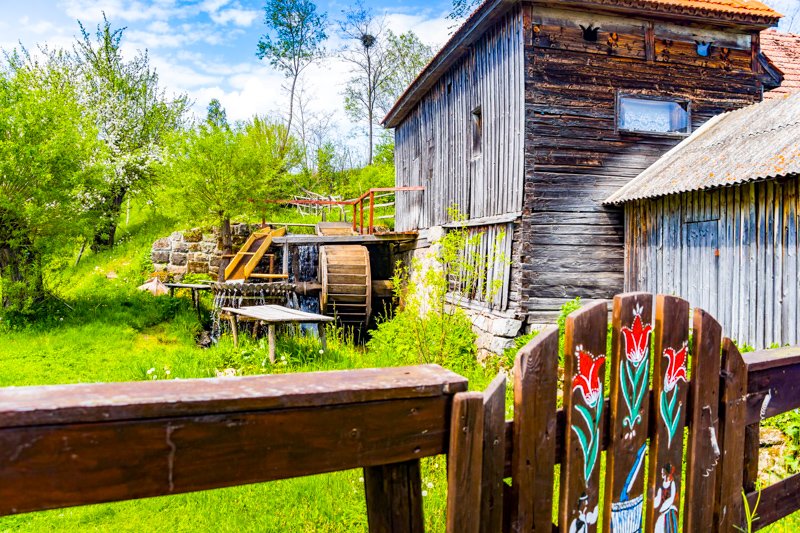
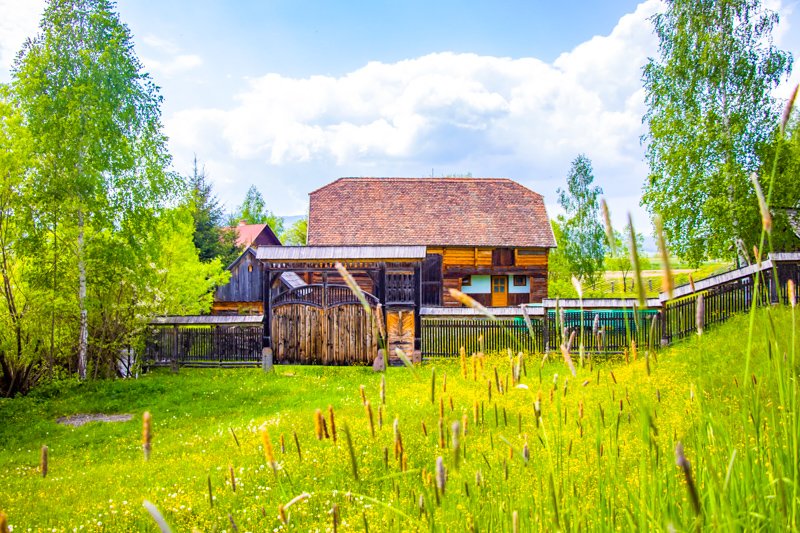
Eszenyő is one of the most remote, yet perhaps the most beautiful hamlet of the Gyergyó Basin. The scenery and the still-standing watermills, as technical monuments, could easily serve as tourist attractions. The famous Góga homestead, Mrs. Rózsika’s loom, and the traditional folk costumes created by her skilled hands are treasures that truly deserve visitors. Besides its ethnographic values, the valley of the Eszenyő stream is worth visiting for the warm hospitality of the locals and the wonderfully rich dialect in which they share their stories.
Eszenyő lies five to six kilometres from the centre of Gyergyóremete in Harghita County.
In addition to Eszenyő, there are two other scattered settlements: Kicsibükk, 11 km away, and Martonka, 6 km away. Both became depopulated due to the village-erasing policies of the 1970s–80s. Eszenyő, however, has not given up.
When people from Gyergyó hear about Eszenyő, the first thing that comes to mind is the well-known folk song: “In Eszenyő the sedge has ripened.” Many also know about the watermills of this scattered settlement near Gyergyóremete, yet very few take the trouble to visit the great treasures of this tiny hamlet. It is one of the finest examples of Székely ingenuity; the Székelys who settled here are said to be exceptionally resourceful. If needed, they “made an iron ring out of wood” and split a hair in two; if a beam “went wrong” while carving a Székely gate, it became a wagon axle, and if not even that, at least toothpicks could be made from it. Of course, they did not let the water of the stream run by unused—they harnessed it. If it has strength, let it work! So the locals operated mills, water-powered saws, fulling mills, and grain crushers.
Aunt Rózsika Góga can be considered native to this small settlement. When visitors, tourists, or photographers arrive from afar, the locals direct them straight to her.
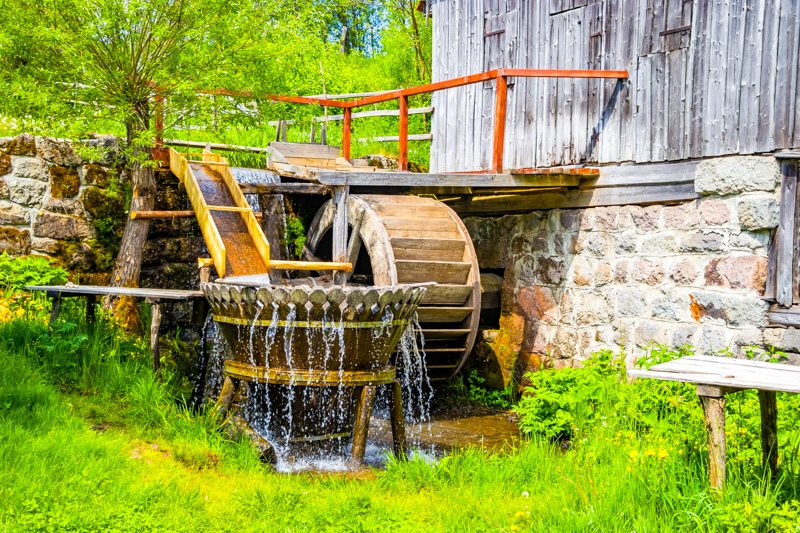
Mrs. Rózsika lives with her animals beside an old watermill. “This mill is at least two hundred years old; it was built by my father-in-law’s father when he was a young man. They moved here from somewhere in Moldavia. They settled here. They bought a small plot of land, built a little hut, and then began expanding, building a mill. That’s how the mills appeared in Eszenyő. Back then, people came here to grind their grain, then took the flour back home. It used to be a sifted mill: the bran came out separately, and so did the red flour and the white flour. The grain crusher lasted the longest at Uncle Pali’s place. In autumn they would place straw on it, and the straw wouldn’t freeze. In winter we made groats, and in summer we made cloth in the crusher,” recalls Aunt Rózsika of the “olden times.”
For some time now, however, the structure has been used only for washing carpets. Two years ago she still ground a small amount of cornmeal for her pig, and a bit of wheat too, from which she baked small loaves—she even sent some to the parish priest when the churchwomen brought their carpets to be washed in the water machine. The money for repairing the mill also came from her own hands:
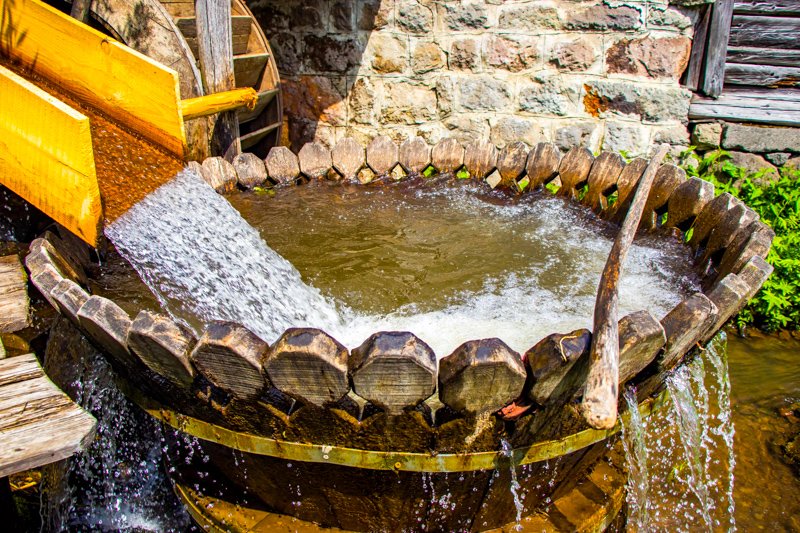
“There was talk that the people’s council would help fix the mill, but in the end they didn’t help at all. So I did it myself. I wove 11 wool blankets for a man from Hungary, and another twenty or so for people in the village. They brought them here to be washed, he paid, and I saved every penny, without touching it. I put it aside, and I did everything all by myself,” she says proudly, lowering the sluices so that the water rushing through the mill can be admired in all its splendour.
She moves comfortably between questions, long accustomed to curious visitors and photographers who travel to the “end of the world” to capture the mill and her loom, which are later displayed at exhibitions in Hungary, she explains. “They ask all sorts of things from me—to dress in traditional costume, to stand here or there, and many times they even rearrange my house. If I have an angel in me, I’ll do it; if the devil comes instead, then I won’t,” smiles the elderly woman.