

 Hungarian
 Roman

Sancraiu
Sepsi chair Sancraiu Sâncraiu, Jud. Covasna
The settlement is situated in the valley of the Szentkirályi stream, in the immediate vicinity of Sepsiszentgyörgy.
Sights in the village:
the centuries-old Saint Royal Oak, located at the entrance of the village
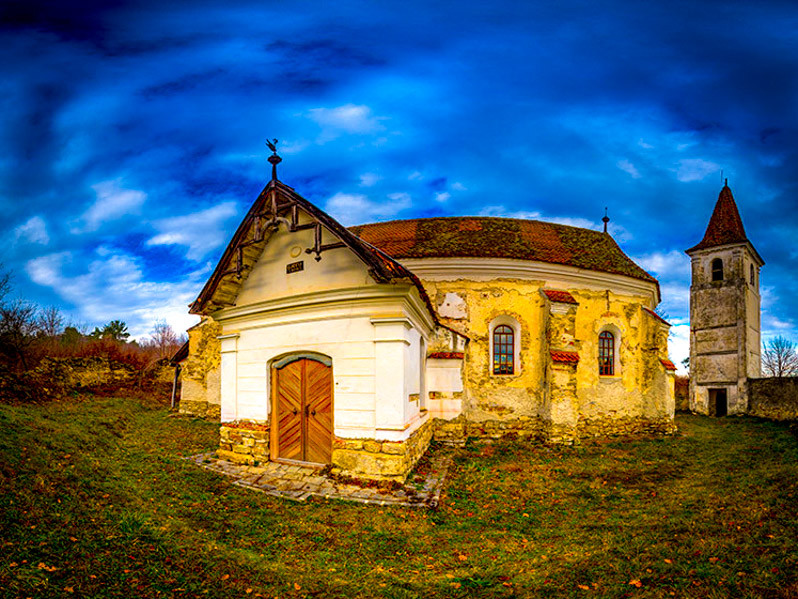
the monument is a Reformed church in the center of the settlement
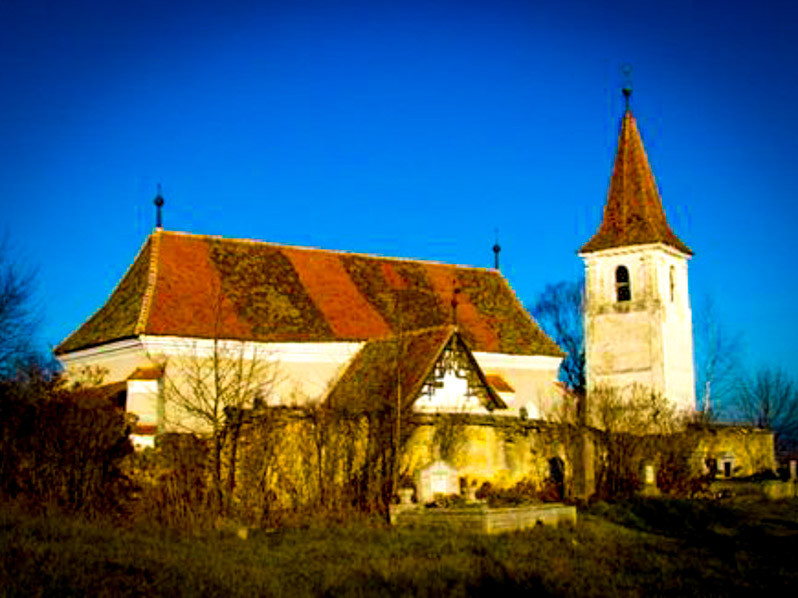
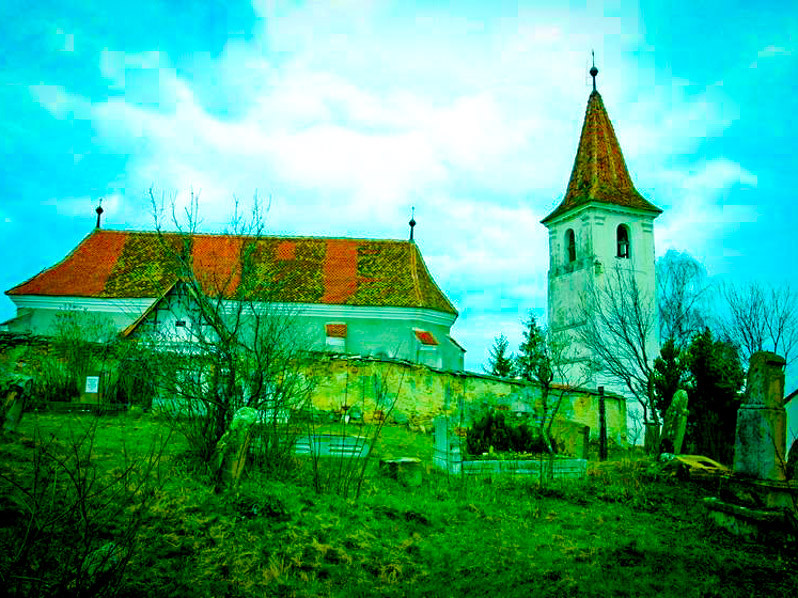
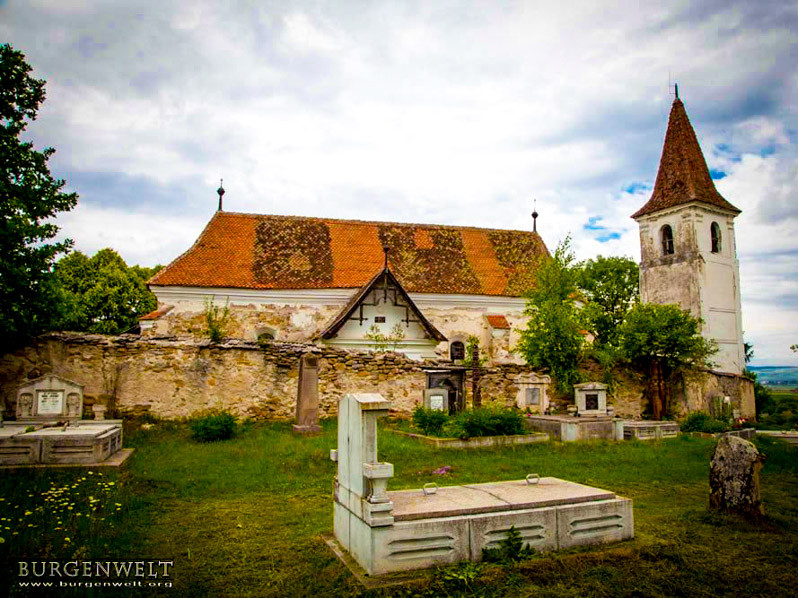
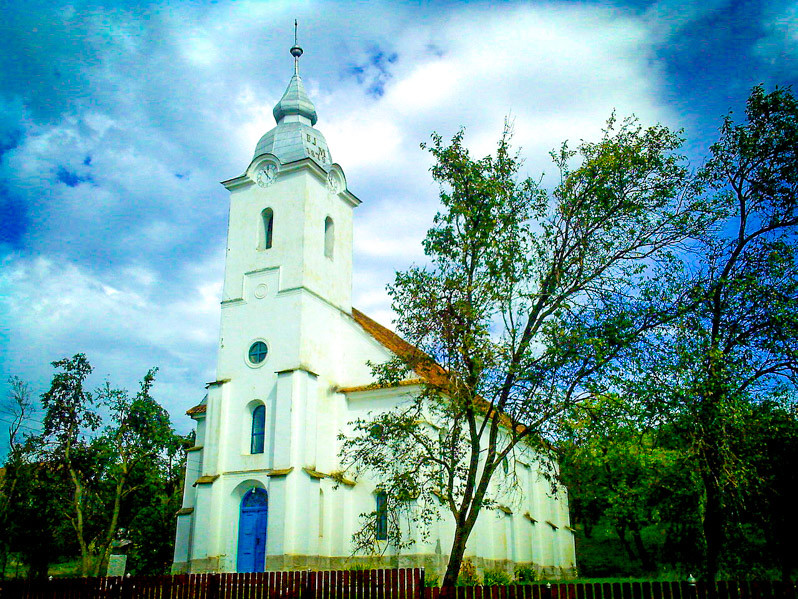
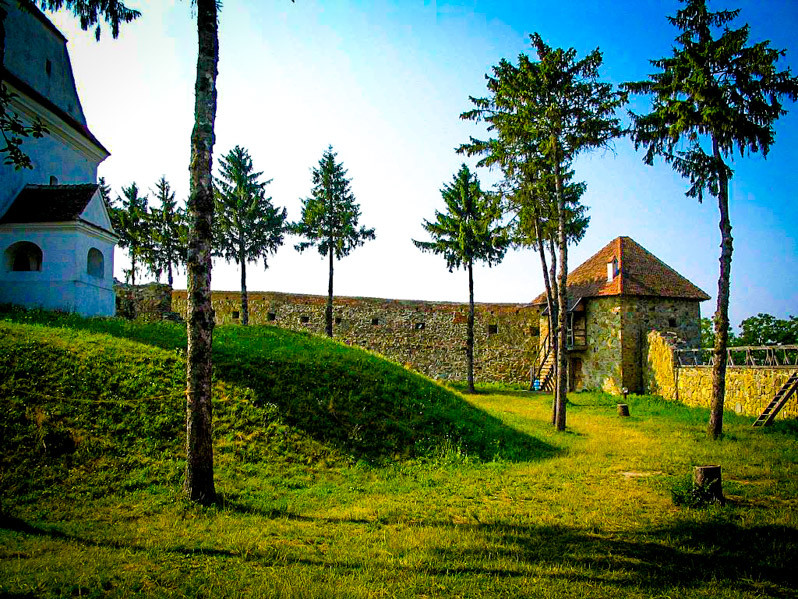
the snow-white Unitarian church on the hillside. "It may have been based on the oldest parish church in St. Stephen's time," says local church history. The church was built in the XV. century Gothic design. It is surrounded by a circular stone wall, from which the bell tower rises.
the ancient cemetery garden on the outside of the stone wall, where you can see the stone tomb of two freedom fighters
memorial stone at the intersection of the main street and the road to the Unitarian church, erected by a Hungarian archaic century in 1918
the arched stone bridge over the Dugás Valley, 10 meters high, built in 1860 and considered to be of industrial interest
Bodor Fountain near the stone bridge with alkaline sweet-sulfur water
Famous Births of the Town:
István Ágh (1709-1786), Unitarian Bishop, teacher, church history writer
Sándor Kiss (b. 1849) is a teacher and textbook writer
Jenő Kiss (b. 1860) is a teacher and editor of the pedagogical methodology book
Sándor Kovács (1929-1984) is a botanical-museologist
Ádám Kovács (1933-1991) director and theater director
dr. István Imreh (b.1919) is a historian living in Cluj-Napoca, a member of the Hungarian Academy of Sciences
Interesting Facts:
Decades ago, the village served as a school example of collecting farming. To this day, the women of St. King's are cooking the rose jam (locally known as the "fudge").
In 1923 Catholic Csángó families from Bukovina settled in the settlement, and their descendants still live there. They brought new folk customs and folk art elements to the Szekler village.