

 Hungarian
 Roman

Tufalau
Sepsi chair Tufalau Ţufalău, Jud. Covasna
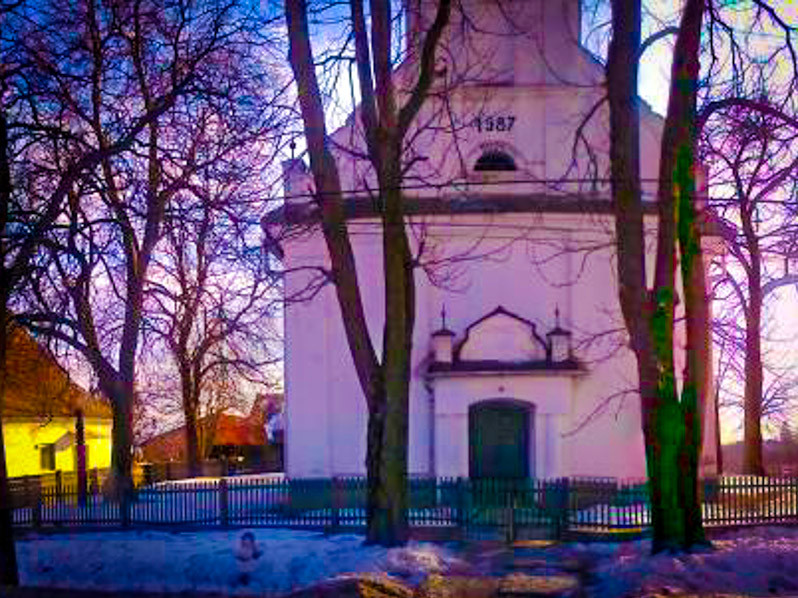
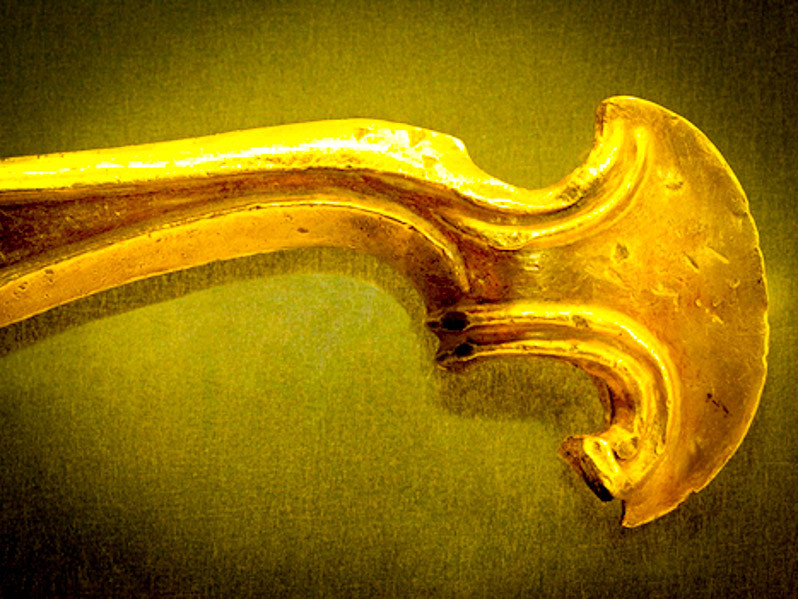
Two hundred enthusiastic Reformed villages. His name is associated with the Cófalva gold find, which is preserved in the Hungarian National Museum and the Vienna History Museum. It is a collection of several pieces (harnesses, picks, plate jewelery) found during a road construction in 1840. In exchange for saving the treasure, the village received 1,000 gold, and as a replacement they built their present temple. The church is located next to the main road, in the shadow of millennial trees.
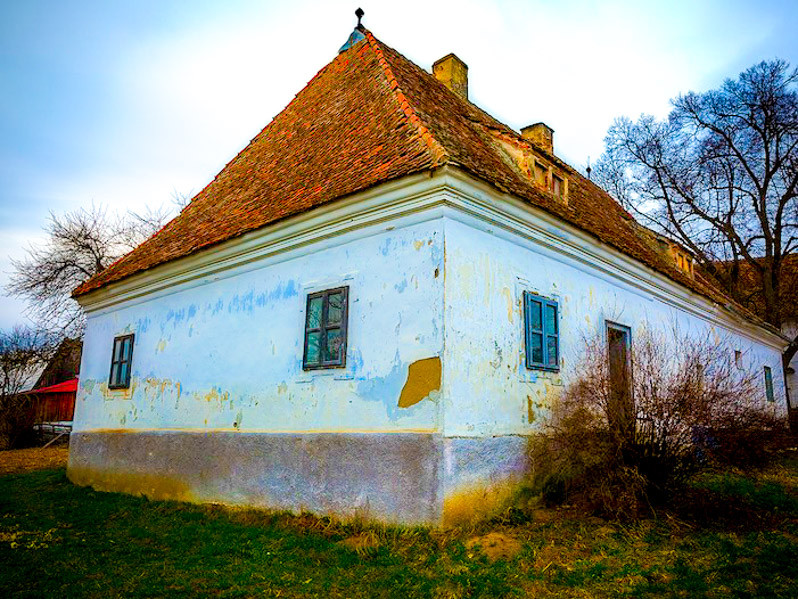
In the immediate vicinity of the church is the only monumental building of the settlement, the late Baroque Veress mansion from 1794, which is used today as a dwelling house.