

 Hungarian
 Roman

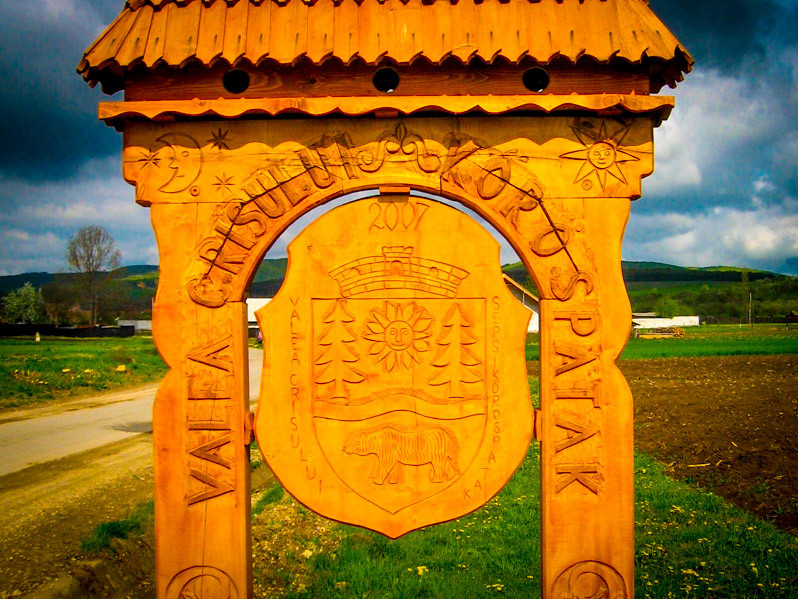
Valea Crisului
Sepsi chair Valea Crisului Valea Crişului, Jud. Covasna
The name of the settlement along the stream of the same name is explained by the oral tradition as "there were mansions of Count Kálnoky, surrounded by a wet ditch in the place called Nagykert, so the water of the stream flowed around the buildings (buildings). this place, but Köröspatak. "
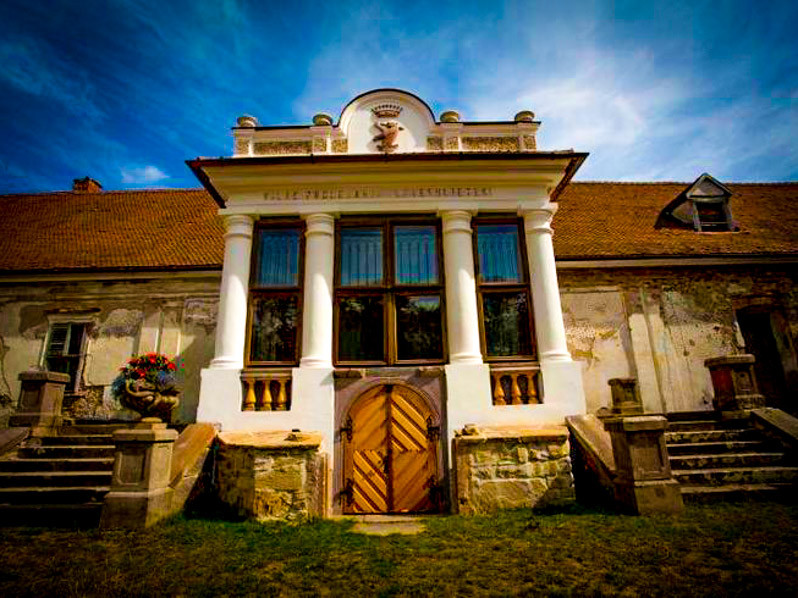
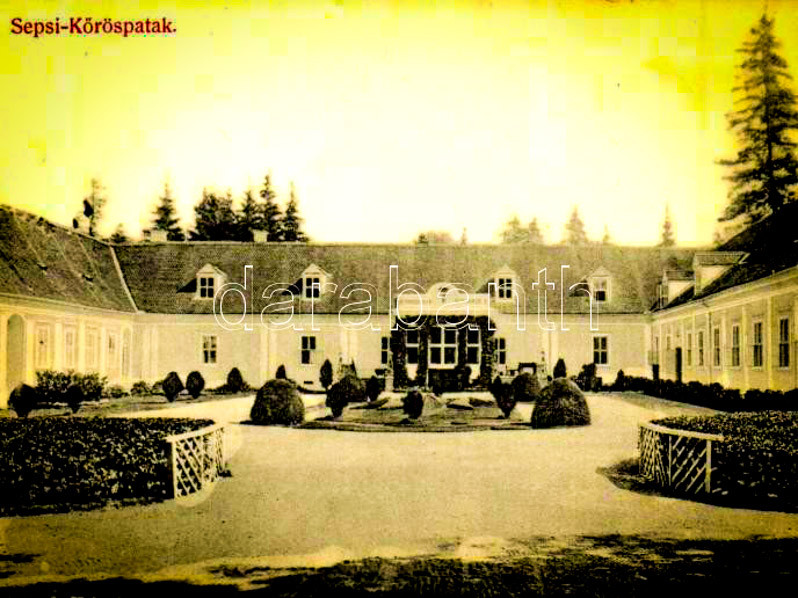
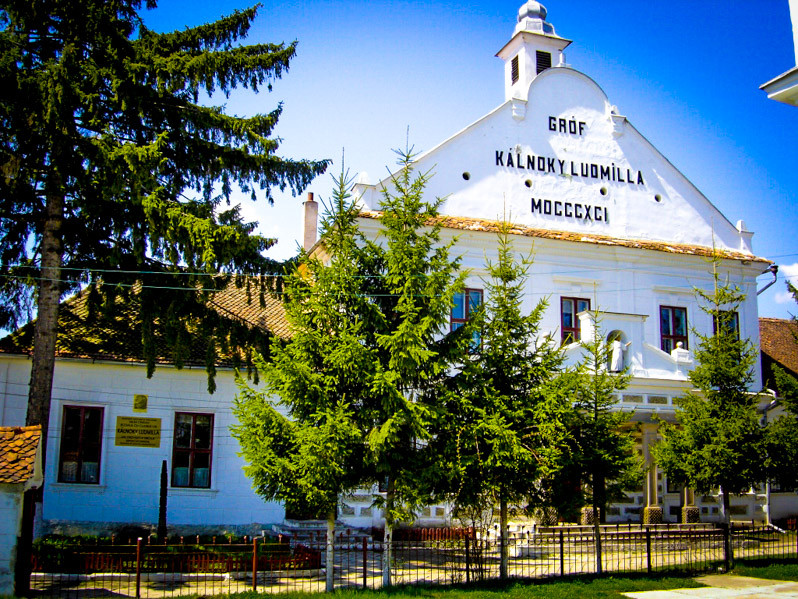
The ancient castle of the Count Kálnoky family - in a rather worn state - is located in the middle of the settlement. There was almost nothing left of the park forest that once surrounded the building. It can be proved that a Renaissance mansion stood there in the 16th century. in the middle of the 20th century, which has been rebuilt several times over the centuries. Next to the building was a chapel, which in the meantime could have been destroyed because the carved stone door frame was built into the Kálnoky family crypt in today's Roman Catholic church.
The deteriorating castle is being renovated by today's dehydrated family.
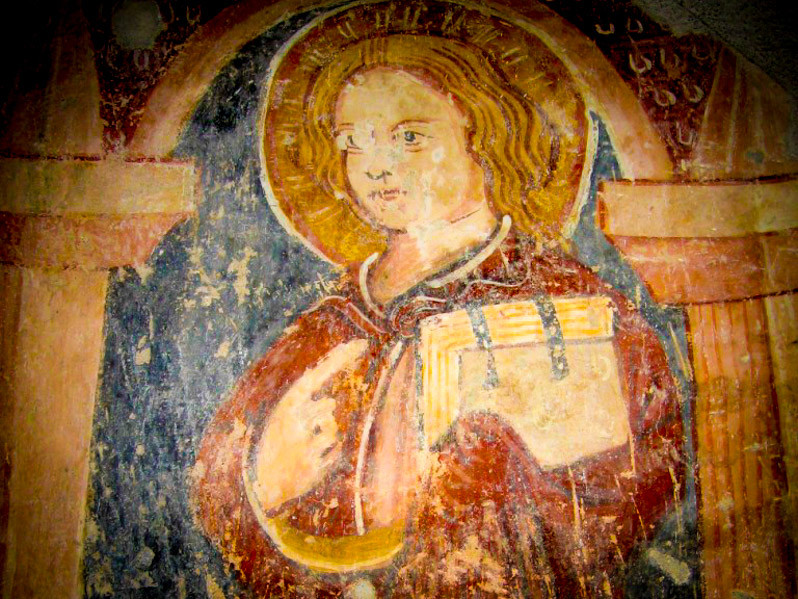
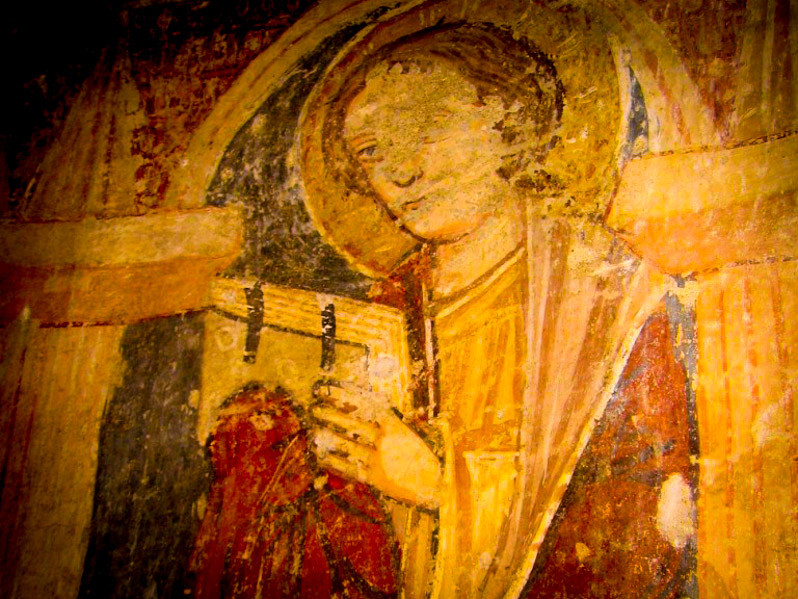
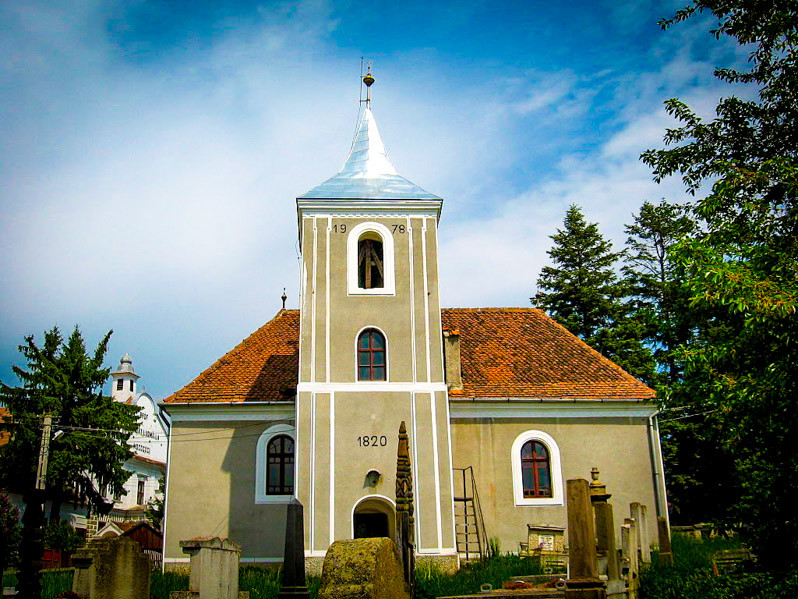
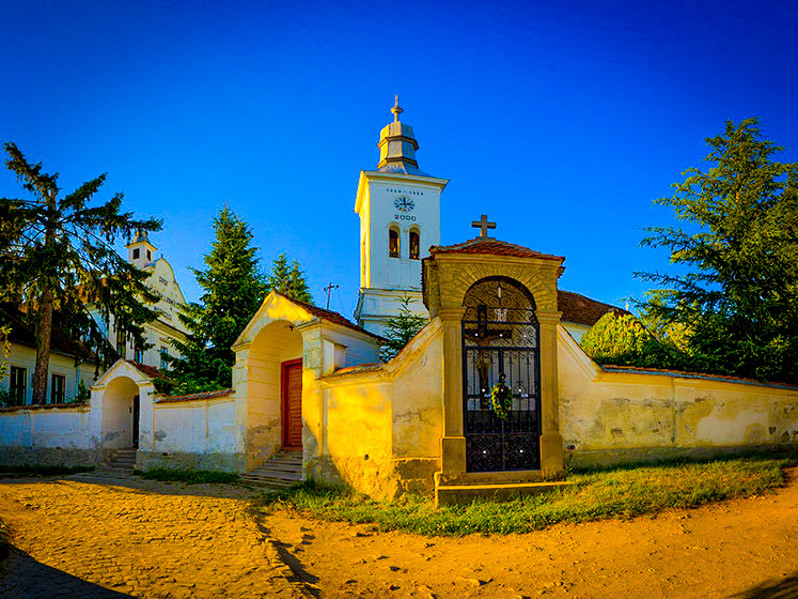
In the center of the settlement is the Roman Catholic Church, which is based on a medieval foundation and was probably surrounded by an old stone wall.
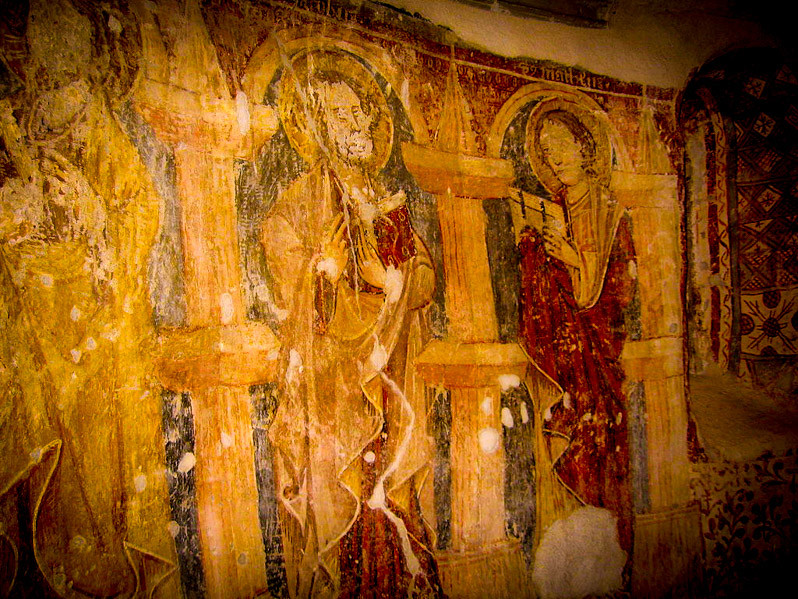
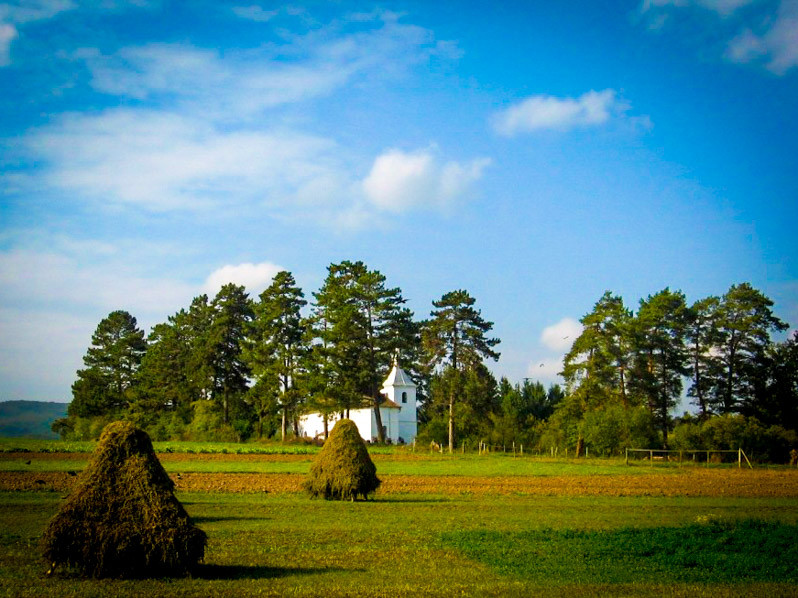
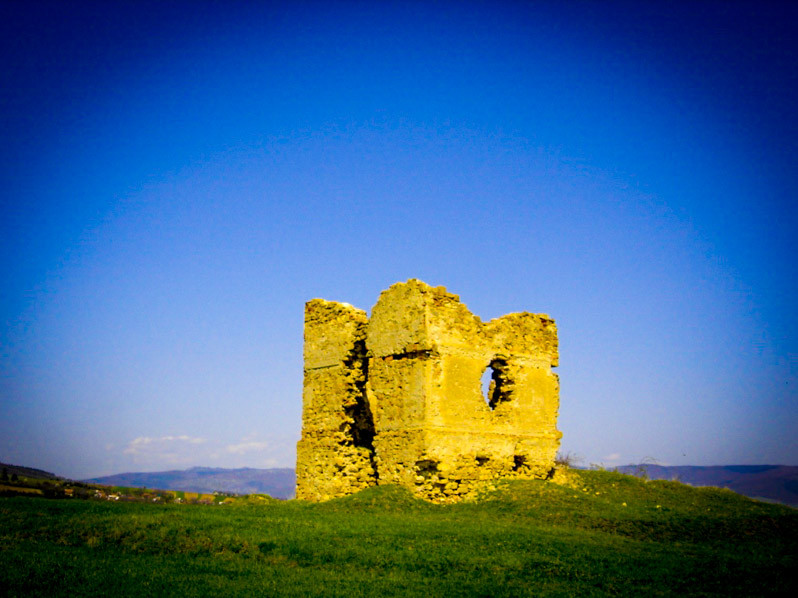
On a hilltop to the northeast of the village is a ruined building, a XV. Remains of the tower of a gothic church with a polygonal closure from the 20th century. There is no definitive opinion on its origin, it is called the Church of Friends of the Blood.
"The leaning on the village once stood on the Nyíres Castle, now on the Pine Roof," says tradition. The location of the walls and the surrounding fortress are still visible today. On the side of the mountain are caves of artificial origin, stone caves, which were created as a result of the former primitive quarrying. They are rich in butterflies and insect fauna with membranous winters in the winter.
At the foot of the Vadas Forest is a trout farm, and in the valley of the Csinált stream there is a medicinal, but untapped, source of sweet-sulfur mineral water.